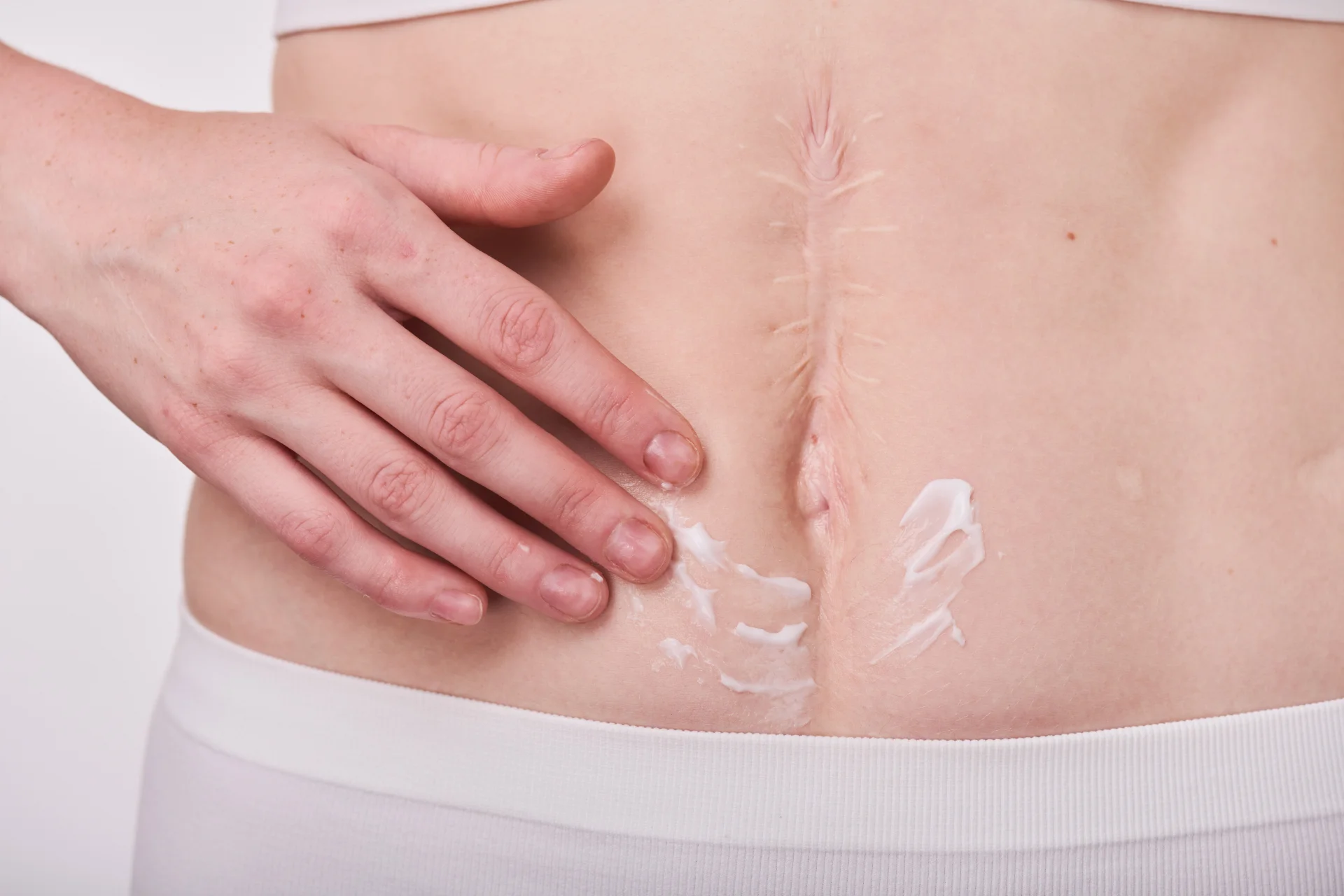
Condition
When a scar continues to affect the way your body feels and moves
Scars are a normal part of healing.
Whenever the body repairs tissue following surgery, injury or trauma, scar tissue forms as part of that process. In many cases scars heal well and cause few long-term problems.
Sometimes, however, a scar can continue to influence the way the body feels and functions long after the initial healing process has finished.
You may notice:
- Tightness around the scar
- Pulling sensations with movement
- Pain or sensitivity
- Numbness or altered sensation
- Restricted movement
- A feeling that “something just doesn’t feel right”
- Symptoms that seem unrelated to the location of the scar
Many people are surprised to learn that scars can affect more than the skin alone.
Why can scars cause problems?
A scar is not simply a mark on the surface of the body.
Beneath the skin, scar tissue can affect the fascia, muscles, nerves and connective tissues that lie underneath. As the body heals, these tissues may become less mobile or develop areas of tension and restriction.
Because the body functions as an interconnected system, restrictions in one area can sometimes influence movement and comfort elsewhere.
This is one reason why symptoms may not always appear directly at the site of the scar.
Common symptoms associated with scars
Scar-related restrictions may contribute to:
- Pain around the scar
- Back or pelvic pain
- Abdominal discomfort
- Reduced flexibility or movement
- Feelings of tightness or pulling
- Nerve sensitivity
- Persistent discomfort during exercise
- A sense of disconnection from the affected area
For women recovering from Caesarean birth, scar restrictions may also influence abdominal recovery, core function and pelvic floor symptoms.
It's not just about recent scars
One of the most common misconceptions about scar therapy is that treatment needs to happen soon after surgery.
While early intervention can be helpful, scars can continue to change and respond to treatment months or even years later.
Many people seek treatment for scars that are several years old and are surprised by the improvements that can still occur.
How I assess scar-related problems
Assessment begins with understanding your symptoms and the wider story of your health and recovery.
I look at:
- The scar itself
- Tissue mobility
- Movement patterns
- Areas of tension and restriction
- How the scar may be influencing the surrounding tissues and the body as a whole
For abdominal scars, I may also assess the abdominal wall, breathing patterns, pelvic floor function and, where appropriate, the mobility of the underlying organs and connective tissues.
How scar therapy can help
Treatment is tailored to the individual and may include:
- Scar massage and mobilisation
- Hands-on therapy
- Visceral Manipulation
- Movement and rehabilitation advice
- Desensitisation techniques
- Self-treatment strategies for home
The goal is not simply to improve the appearance of a scar, but to improve how it feels, moves and functions within the body.
A whole-person approach
One of the things I have learned through years of treating scar-related problems is that scars do not exist in isolation.
Every scar has a story.
That story may include surgery, injury, illness, pregnancy, birth or a significant life event. Sometimes the physical and emotional aspects of recovery are closely intertwined.
Taking the time to understand that bigger picture helps me build a clearer understanding of what may be contributing to your symptoms and what support is likely to be most helpful.
Helping you move forward
Whether your scar is six months old or sixteen years old, support may still help.
My aim is to help you understand what is happening, improve the mobility and comfort of the affected tissues, and support you in moving forward with greater confidence and ease.